Philosophy begins with big questions.
What is real? What can we know? What makes a life meaningful? What do we owe one another? How should we respond to the challenges facing our communities and our world?
Our degree program invites students to explore these questions while developing the skills needed to answer them in thoughtful and sophisticated ways. Students become rigorous thinkers, critical and creative problem-solvers, effective communicators, and engaged citizens. Through a combination of foundational training, broad exploration, and independent inquiry, philosophy majors graduate prepared to contribute meaningfully to their professions, cultivate flourishing lives, and participate fully in democratic society.
Degree Requirements
In addition to your coursework across our four areas of study, all philosophy majors take two core courses to build skills in philosophical analysis and practice what you’ve learned through real-world research and internships.
Advising
Are you a current student who would like to learn more about adding or completing a Philosophy major?
Schedule an appointment with one of our dedicated Academic Success Coordinators by contacting the College of Liberal Arts Academic Support Center.
EXPERIENTIAL LEARNING OPPORTUNITIES
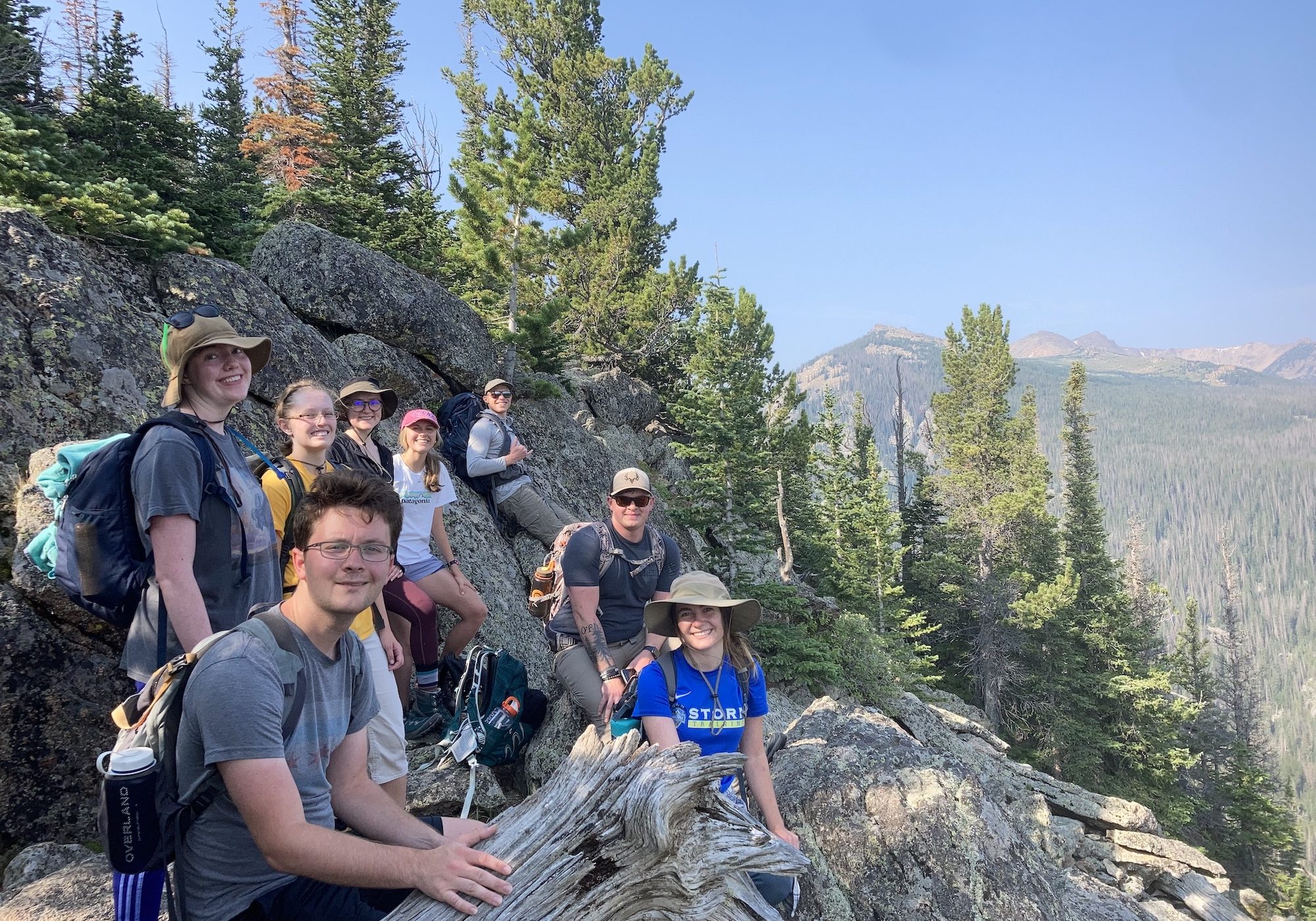
Environmental Humanities @ CSU Mountain Campus
Spend part of your summer at CSU’s Mountain Campus exploring how people and nature connect. The Environmental Humanities program offers hands-on courses in history, philosophy, and art—all in an unforgettable setting.

First-Year Abroad
Join other first-year students in a small, hands-on learning community traveling abroad with CSU faculty—through programs like our Happiness class in Denmark. It’s a fun way to build friendships and connect even before your first semester begins.

Service Learning
In philosophy courses, service-learning opportunities connect classroom ideas to real-world impact. Our students volunteer with a youth development non-profit and the local food bank to reflect on ethics, justice, and the meaning of community.
Student Organizations
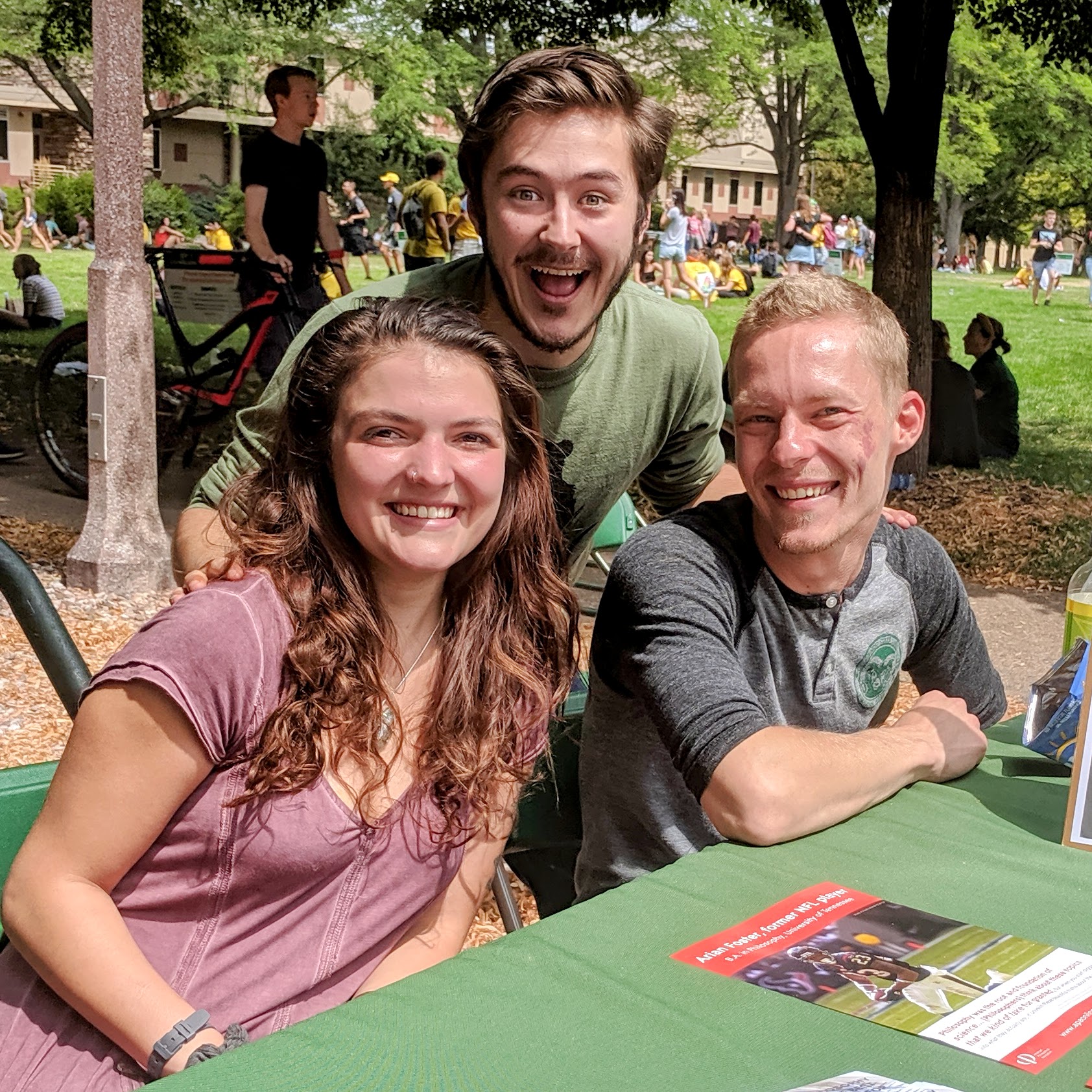
We offer a community that is collaborative and inspiring for our tight-knit group of majors and minors. From engaging debates at the center of Ethics Bowl to tackling big questions and ideas in Philosophy Club, students explore their thoughts, lives, and worlds together in an intellectually supportive environment.
Alumni Voices

“Studying philosophy intensely deepens the foundational skills required in any career: comprehension of abstract issues and arguments, correct and consistent use of logic, and the ability to read difficult text. Throughout my internship, I found myself employing these skills not only on the phone with constituents but also in my research on policies.”
Sean Lancey, Philosophy B.A. ’26 and recent intern for Congressman Neguse

"The benefit of studying philosophy is that you leave school with a well-rounded education that doesn’t just teach you a specific subject or have you memorize a textbook—rather you leave having learned how to be open minded, rational, and think critically."
Hannah Fowler, Philosophy B.A. ’11 and U.S. State Department diplomat
Faculty Profiles
Colin Rice | Director of Undergraduate Studies and Associate Professor
Dr. Rice’s work explores the philosophy of science—especially biology—as well as epistemology (the study of knowledge) and the philosophy of mind, with a focus on cognitive science and concepts. He is also interested in the philosophy of physics, logic (including probability and symbolic reasoning), ethics, and modern philosophy.

Collin Rice
- Associate Professor
- Director of Undergraduate Studies
Katie McShane | Professor
Dr. McShane’s research interests lie at the intersection of ethical theory, particularly the theory of value, and environmental ethics. Her work explores the moral significance of the emotional attitudes that we take toward the natural world.

Katie McShane
- Professor
Next Steps
Are you interested in joining our community?